
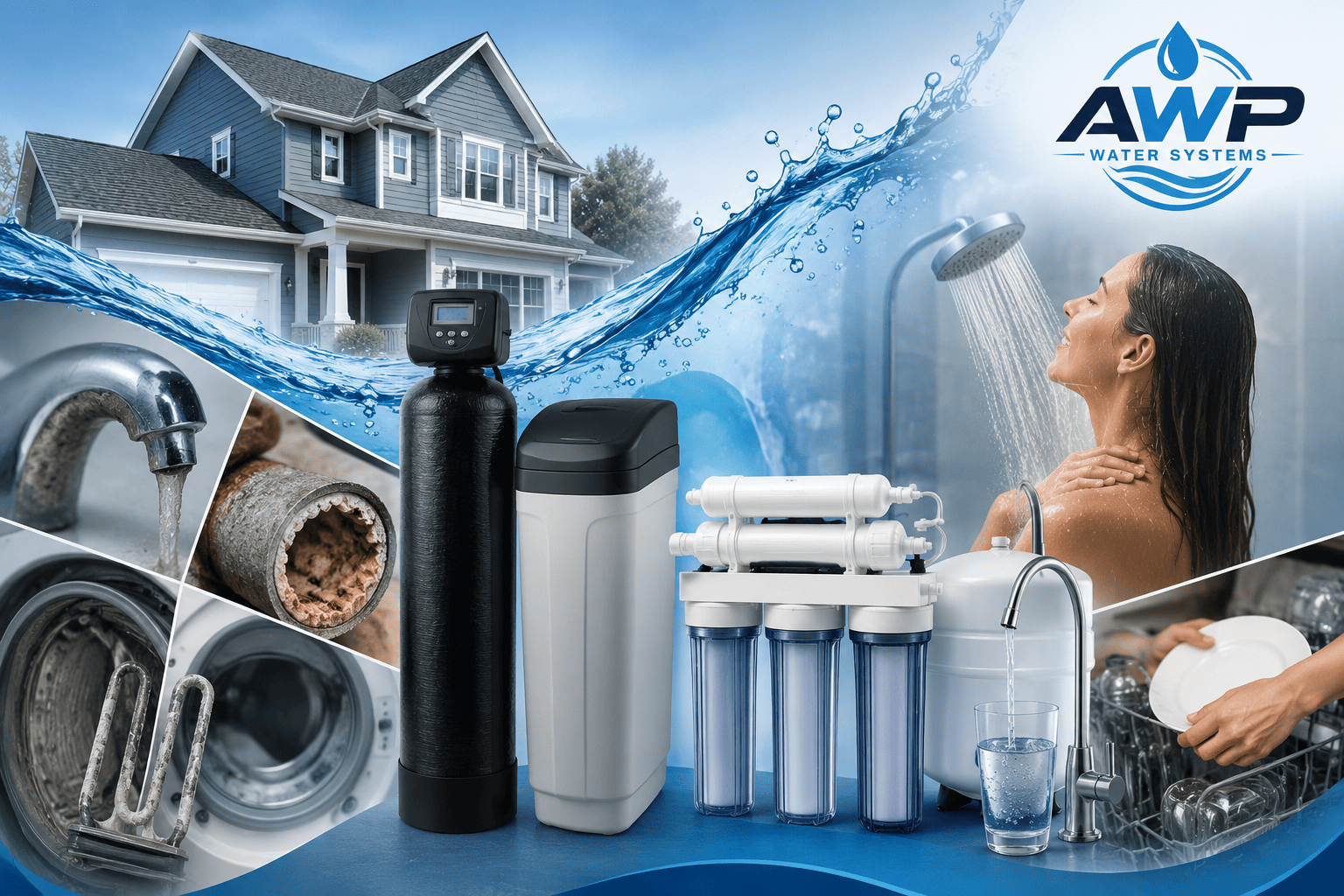
Hard water is a common problem in many California homes. You may not notice it at first. But over time, it starts to affect your daily life. From dull laundry to dry skin, the signs slowly add up. The bigger issue is what it does behind the scenes.
So, is your home at risk without a modern solution like water softener systems California homeowners trust? Let’s find out.
What Is Hard Water—and Why It Matters
Hard water has high levels of minerals like calcium and magnesium. These minerals enter the water as it moves through soil and rocks.
In simple terms, the more minerals in your water, the harder it is.
According to the U.S. Geological Survey, water above 120 mg/L is considered hard. Many parts of California go well beyond this level.
Hard water is safe to drink. But it is not good for your home.
Hard Water in California: A Real Concern
California has a serious hard water issue. Cities like San Jose often have water hardness around 180–300 ppm or more.
That means most homes deal with hard water every day.
You might already see the signs:
1. White spots on dishes
2. Soap not lathering well
3. Chalky buildup on taps
These are not small issues. They are early warnings.
Hidden Risks of Hard Water in Your Home
Hard water does more damage than you think.
1. Appliance Damage
Minerals build up inside appliances. This is called scale. It makes machines work harder and wear out faster.
2. Higher Energy Bills
Water heaters with scale use more energy. Even a small layer can reduce efficiency.
3. Plumbing Issues
Scale can block pipes over time. This reduces water flow and can lead to repairs.
4. Skin and Hair Problems
Hard water leaves a film on your skin. It can make your skin dry and your hair rough.
5. More Cleaning Work
You spend more time scrubbing stains, spots, and residue.
Why Modern Water Softener Systems Matter
This is where water softener systems California homeowners use make a big difference. A water softener removes or changes these minerals before they enter your home. Modern systems are better than older ones. They are more efficient and need less maintenance.
Benefits are simple:
1. No more scale buildup
2. Softer skin and hair
3. Longer life for appliances
4. Better water flow
5. Less cleaning effort
It is a one-time upgrade that saves money over time.
Pairing Softening with Reverse Osmosis
A softener improves water for daily use. But it does not fully clean drinking water. For that, many homeowners install a Reverse osmosis system San Jose residents rely on.
A reverse osmosis system removes:
1. Dissolved solids
2. Chemicals
3. Unwanted taste and odor
It gives you clean and fresh drinking water straight from the tap.
When you use both systems together, your home gets full protection.
Is Your Home at Risk?
Ask yourself a few simple questions: Do you see white marks on taps or dishes? Does your skin feel dry after a shower? Are your appliances breaking down often? If yes, hard water is likely the reason. Ignoring it can cost you more in the long run.
Final Thoughts
Hard water is not just a small issue in California. It is a daily problem for many homes. The good news is that you can fix it. With modern water softener systems California homeowners trust, you can protect your home. Add a Reverse osmosis system, and your water becomes clean and safe.
It is a simple step that brings long-term comfort and savings.
FAQs
Is hard water dangerous to drink?
No, it is safe. But it can damage appliances and affect daily use.
How do I know if I have hard water?
Look for spots on dishes, scale on taps, and dry skin. A water test can confirm it.
Can I use only a reverse osmosis system?
No. It is for drinking water only. You still need a softener for the whole house.
How long does a water softener last?
Most systems last 10–15 years with proper care.
Is it worth the cost?
Yes. It saves money on repairs, energy, and cleaning over time.